
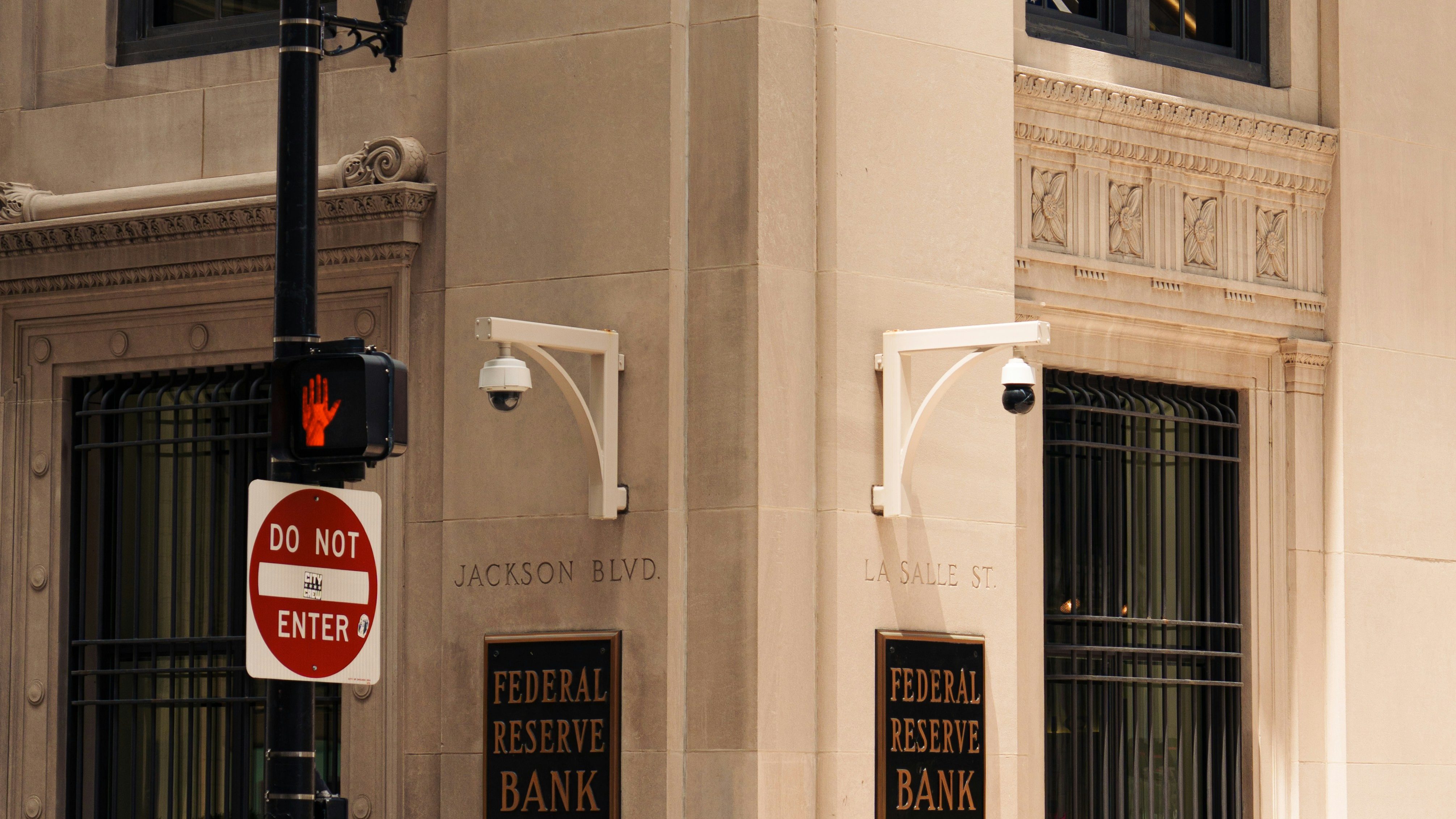
The short answer: On September 16, 2026, the Federal Reserve raised its benchmark rate a quarter point to 3.75%–4.00%. For a Rochester buyer, that adds roughly $56 a month for every $200,000 borrowed. Local inventory is still tight, so well-priced homes are still selling quickly.

On September 16, 2026, the Federal Reserve raised its benchmark interest rate a quarter point — its first hike in three years — pushing the federal funds target to a range of 3.75% to 4.00%. Mortgage rates, which had already been climbing for weeks in anticipation, settled just under 7% for a 30-year fixed loan. Freddie Mac’s weekly survey put the national average at 6.95% for the week, up from 6.76% the week before.
Cue the national headlines about affordability and cooling demand. Here’s the thing: national headlines are written for a national market, and Rochester has never been that. So let’s talk about what this actually means once you bring it home.

How does the Fed rate hike affect Rochester home buyers?
The honest answer is that borrowing got a little more expensive, and it will probably stay that way for a while — Fed officials have signaled they’re not done for the year. As an example: on a $200,000 loan, the difference between this past May’s rate (6.53%, per Freddie Mac) and today’s (6.95%) works out to about $56 more per month. Scale that up or down for your actual loan size, but the shape of it holds — real, but not the kind of shift that should freeze anyone’s plans.
Here is what that change looks like across common loan sizes:
| Loan amount | Payment at 6.53% (May) | Payment at 6.95% (now) | Monthly difference |
|---|---|---|---|
| $200,000 | $1,268 | $1,324 | about $56 |
| $300,000 | $1,902 | $1,986 | about $84 |
| $400,000 | $2,536 | $2,648 | about $112 |
What matters more locally is this: Rochester’s inventory has been tight for years, and that hasn’t changed. Waiting for rates to drop won’t fix the bigger obstacle, which is finding a well-priced home before three other offers land on it. If anything, a rate environment like this one tends to thin out the competition a little — buyers who are financing-sensitive step back, which can mean less of a bidding war for the buyers who stay in the game.
If you’re buying, the move isn’t to time the Fed. It’s to get your financing locked down, know your real number, and be ready to move when the right house shows up — because in this market, it still won’t sit long.

What does a rate hike mean for Rochester home sellers?
Here’s where Rochester diverges from the national narrative in a way worth explaining to clients: rising rates typically spook sellers into thinking buyer demand will dry up. Locally, that hasn’t been the pattern. Inventory across Monroe, Ontario, Wayne, and Livingston counties has stayed low enough that well-priced homes are still moving quickly and, in many cases, still fielding multiple offers and selling at or above asking. Rate headlines move psychology before they move actual local supply and demand — and our supply hasn’t budged.
That doesn’t mean pricing strategy gets to stay lazy. Rate-sensitive buyers are more selective about condition, layout, and true monthly cost than they were two years ago. A home that’s priced to the market and presented well still moves fast here. A home that’s priced for a market that no longer exists sits — and sitting is what actually costs sellers money, not a quarter-point Fed move.
For anyone weighing a move right now — including families navigating a parent’s transition out of a longtime home — the calculus hasn’t really changed: the version of “the right time to sell” was never about the Fed. It’s about whether the house is ready, whether the plan for what comes next is solid, and whether you have people in your corner who know this market block by block.
Frequently asked questions
Did the Fed raise interest rates in September 2026?
Yes. On September 16, 2026, the Federal Reserve raised its benchmark rate a quarter point to a range of 3.75% to 4.00%, its first increase in three years.
How much does a higher mortgage rate add to a monthly payment?
On a $200,000 30-year loan, the move from 6.53% in May to 6.95% adds about $56 a month in principal and interest. Scale that up or down for your actual loan size.
Should I wait for rates to drop before buying a home in Rochester?
Waiting does not solve the bigger obstacle, which is low inventory. The better move is to get your financing locked down, know your real number, and be ready when the right house appears.
Will the rate hike slow the Rochester housing market?
Not in the pattern the national headlines suggest. Inventory across Monroe, Ontario, Wayne, and Livingston counties has stayed low, and well-priced homes are still moving quickly. Homes priced for a market that no longer exists are the ones that sit.
Does the rate hike change when it makes sense to downsize?
The timing question was never really about the Fed. It comes down to whether the house is ready, whether the plan for what comes next is solid, and whether you have local guidance you trust.
Thinking about a move in Monroe, Ontario, Wayne, or Livingston County? Talk with The Homebodies Team and we will walk through your numbers and your timing.
Leave a Reply